Pages

Näytetään tekstit, joissa on tunniste History. Näytä kaikki tekstit

perjantai 13. maaliskuuta 2015

75 Anniversary of the end of Winter War

Not much hobby related again, but a short history session.

Today is the 75th anniversary of the end of Winter War, sometimes called 105 days of glory, between Finland and Soviet Union. The conflict had started in the end of November when Finland refused Soviet demands of land secession and destruction of fortifications in the Karelian isthmus. The official reason for war from the Soviet side was the alleged Finnish mortar attack on a Russian border post in Mainila November 26th. This gave Soviet Union a casus belli and a pretext to withdraw from the Russo-Finnish non-aggression pact and start offensive operations on November 30th. In later times the incident has been investigated by historians and it has been concluded that Soviet NKVD fired the shots from the Soviet side off the border. Later on Vladimir Putin has described the start of the war as justified in correcting mistakes made when Finland gained independence from Russia in 1917.


A Finnish machine-gun team during the war.

The Soviets expected a quick campaign with Finnish workers rising in their support against their capitalistic oppressors. There was still dissent in the populace after the Civil War that had ended only a little over 20 years before, but the Soviet attack ended that with the nation uniting against the attackers. A campaign that was planned to end in a few weeks with a victory parade in Helsinki ended up lasting 105 days. In the end Finland had to surrender and secede roughly 11% of the nations terrain with nearly 30% of it's industrial capacity. However the total annexation that was faced by the Baltic nations was avoided.
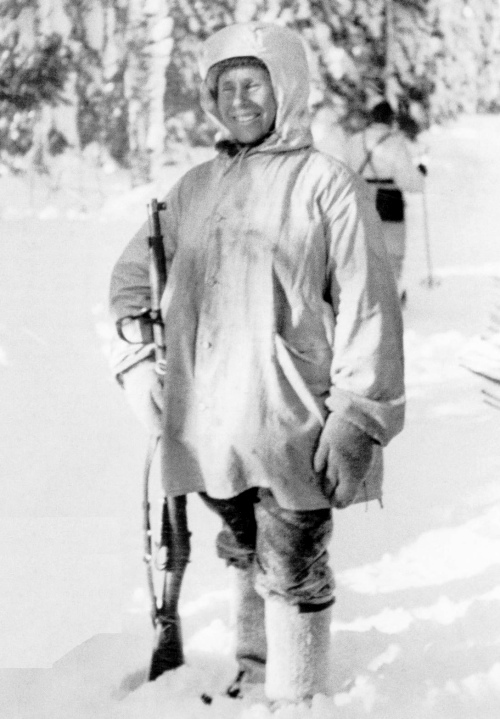

Simo Häyhä. The most successful sniper in history with 545 confirmed rifle kills and roughly 200 with an SMG within less than a 100 days. He was nicknamed Belaya Smert or 'White Death' by the Soviets and massive efforts were taken to kill him. He was shot with an exploding bullet on March 6th only a week before the end of the war, but survived and lived to the healthy age of 96 passing away in 2002.

The Finnish army had been neglected before the war and was woefully underequipped especially in regards of heavier weaponry and air power. The Soviets could muster 3 times as much manpower, 30 times as many air planes and 100 times more tanks than the Finnish army. However they were hindered by horrendously bad leadership after Stalin's purges and problems were caused by a particularly nasty winter weather with plenty of snow and temperatures varying between 0 and minus 40, which made life in the front lines hard for troops that were not equipped for it. In the end the Soviet losses were roughly 130,000 dead, 190,000 wounded, 3500 tanks destroyed and between 260-500 airplanes lost compared to the Finnish losses of 26,000 dead, 43,500 wounded, 20 tanks and 60 airplanes.


A Soviet column destroyed with 'Motti' tactics.

The war was the final action that proved the League of Nations to be an ineffective organization. As with the German invasion of Poland and annexations of Czechoslovakia and Austria the League could do nothing more than disapprove and void the membership of Soviet Union due to the attack. The war also lead Hitler to believe that the Soviet Union could be invaded easily, which partly lead to the start of Operation Barbarossa. During the interim peace between the Winter War and Continuation War, Finland developed closer ties with Germany as support from foreign nations had been minimal with only token supply deliveries.
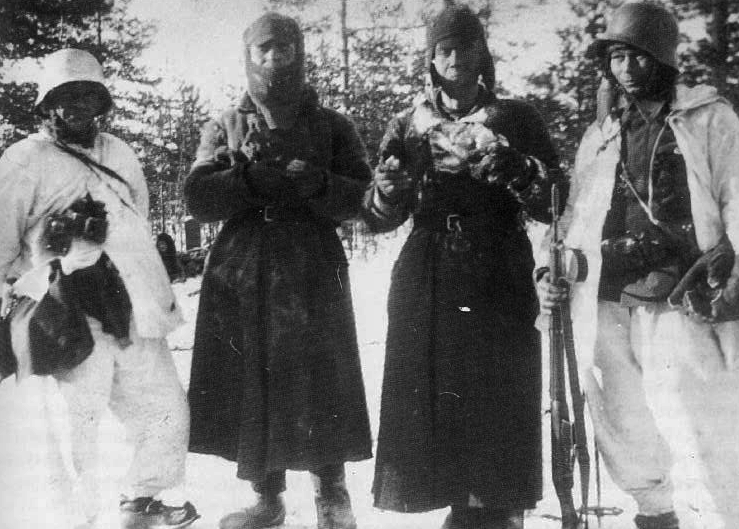

Soviet POW's with their captors.

The start of Winter War also has quite a bit of similarity with the current events in Ukraine. Staged attacks and blaming from eastern neighbours coupled with a rhetoric where the west is blamed for the fighting happened in 1939 and 1940 as they are happening at the moment. Outside help is also mainly limited to condemning the actions of the aggressor with little material support ever making it to the front. It would seem the west is again avoiding conflict so much that it might actually lead to another larger conflict in the near future.


Magazine front page telling of the signing of the peace treaty and the end of the War

torstai 20. marraskuuta 2014

Finnish Jäger movement 100 years anniversary

Today marks the 100 year anniversary of the formation of the Jäger movement in Finland. The movement and the men who took part in it proved to be instrumental in Finlands struggle for independence from the Russian Empire and later during Second World War fighting against Soviet Union.

The Jäger movement began in late 1914 from University circles in Helsinki with the aim of providing military training for Finns to aid in gaining independence from the Russian Empire. Although Finland had broad autonomy as part of the Empire tensions had been rising since the beginning of the century with tightening Russian control and what was considered oppression by Finns. The birthdate of the movement is usually considered to be 20th of November 1914 after a meeting by nationalist university students and lecturers where it was decided that passive resistance was not enough anymore and treason was the only way forward. Thus a people's army was needed to enable Finland to gain independence.


The Jäger sign

The movement was aligned towards the West and especially towards Germany as was much of the University circles at that time. As military training could not be conducted in Finland the movement started seeking ways to enable for Finns to take train abroad and if possible gain combat experience. Talks were held secretly with both Swedish and German representatives and finally in January 1915 Germany announced that it would train 200 Finns and the recruitment process began. Recruitment was carried out in great secrecy and 200 men moved secretly to Sweden and through Sweden to Lockstedt Lager in Holstein, Germany to participate in what was in the beginning called Pathfinder training to mask the true purpose of the camp. This was further enlarged in the Autumn of 1915 to include roughly 2000 men and recruitment started in earnest. The unit was to be of battalion strength and consist of 4 rifle companies, a machine-gun company and a pioneer company.


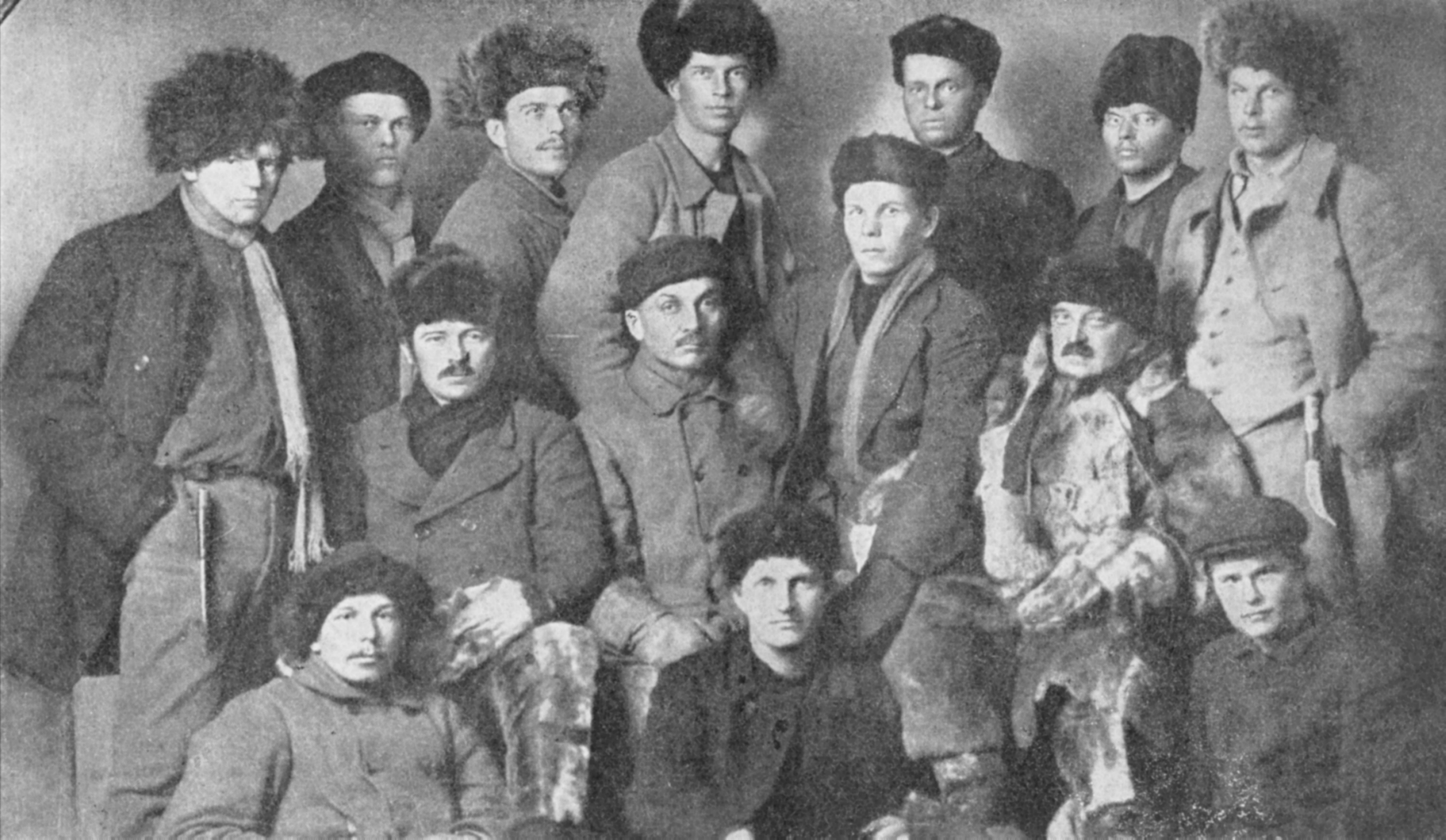
Jäger recruiters pose for a group shot sometime in 1915.


This increase in recruitment also changed the demographics of the unit from a mainly university educated force of men who were able to speak German into a truly mixed group with personnel also from the working classes. With the growing number of men in the unit and the lack of German language skills with most new recruits it became obvious that instruction manuals would need to be translated into Finnish. This would result in the formation of the Finnish military lexicon with terms being decided that are still in use today. As a result even today our rank system is mainly German and many of the terms are based on German terms of the time.


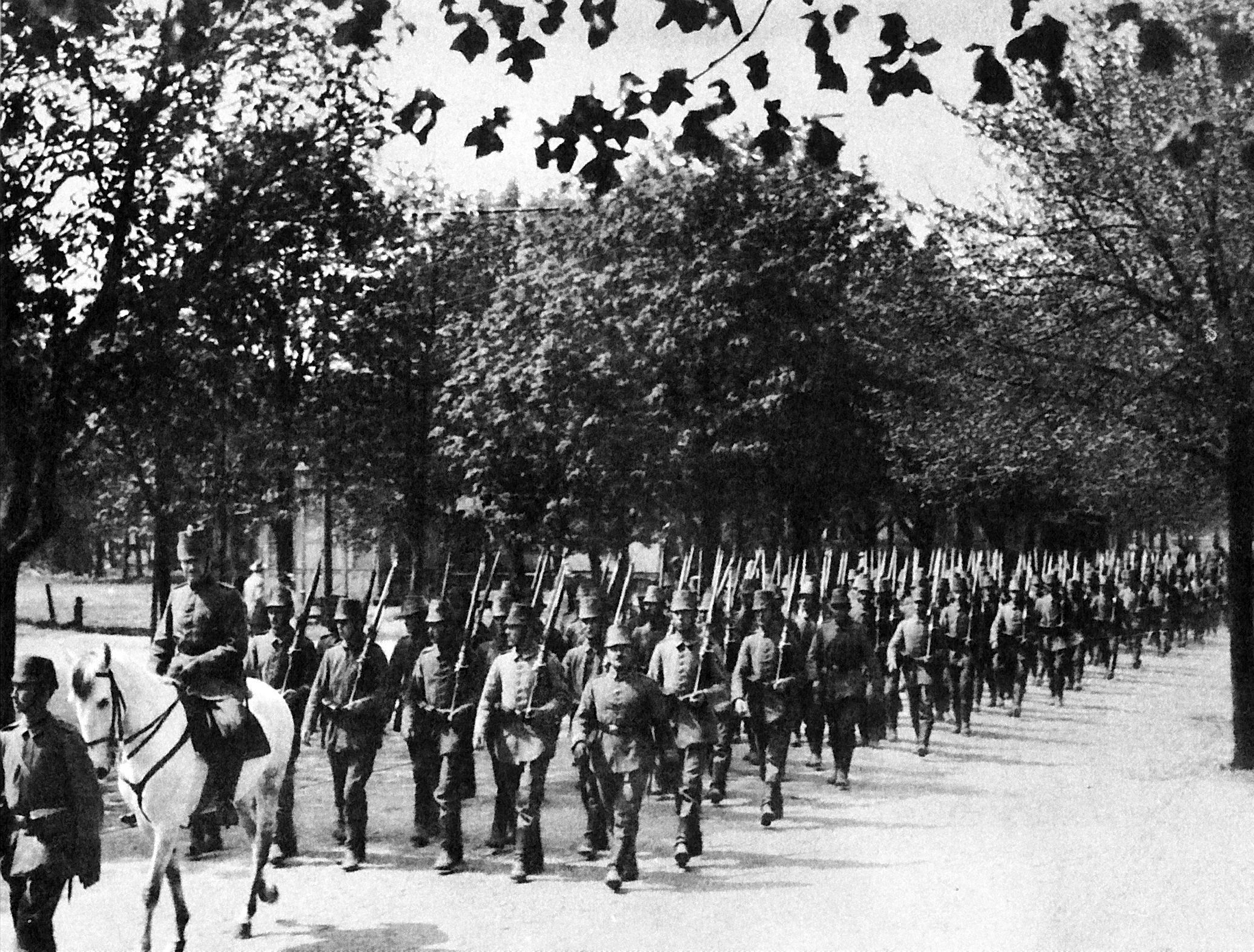
Jäger battalion marching in Libau, Latvia during 1917.

At this point the recruitment also became known to the Russian authorities in Finland. The authorities naturally started a crackdown on the movement and many recruiters were captured and jailed. There were also some shootdowns between Jägers and Russians soldiers and policemen coming to arrest them. Some prominent members were also jailed including Aarne Sihvo who would later on become a General and the Command of the Finnish Armed Forces.


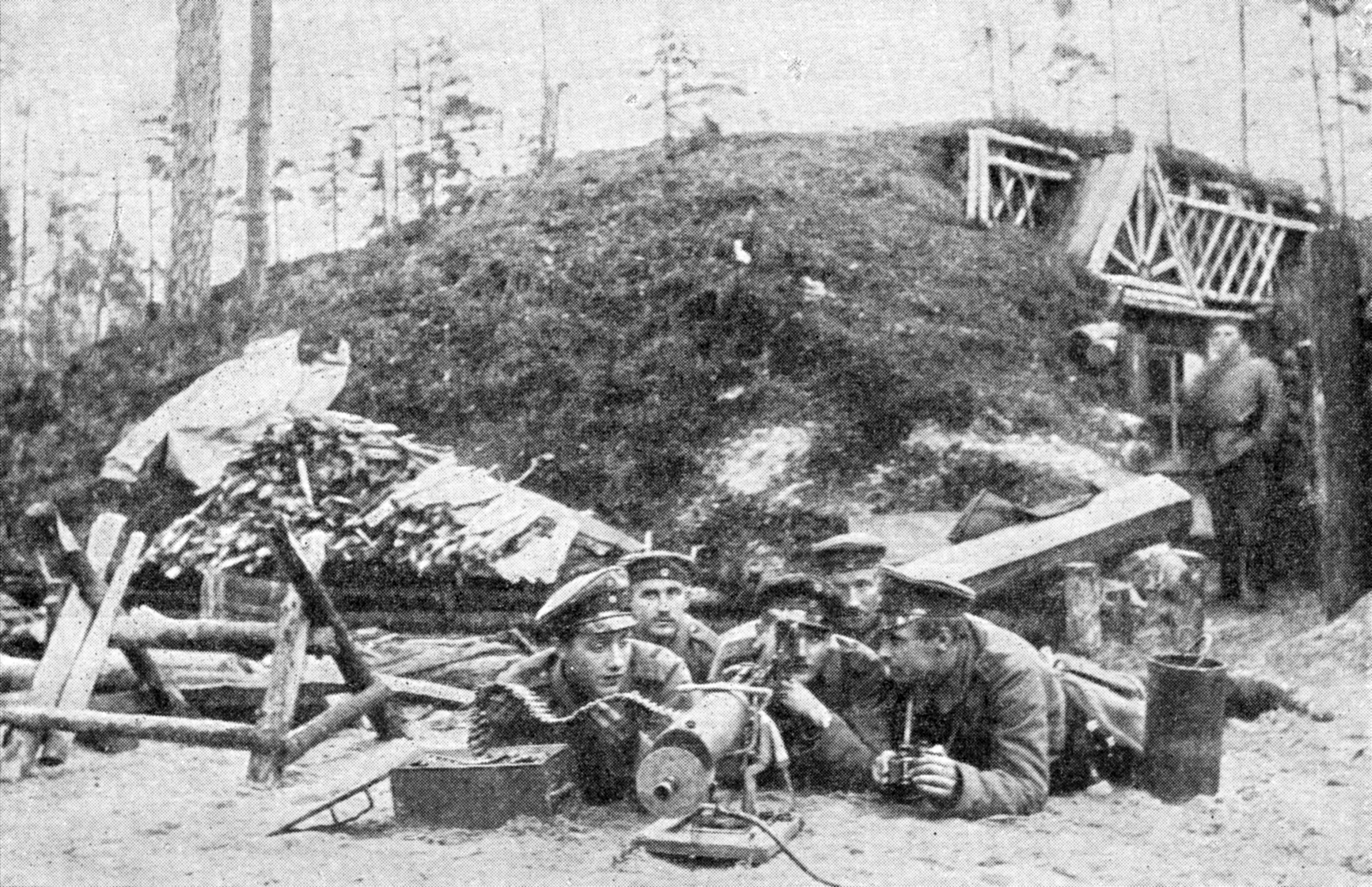
Machine-gun training somewhere on the Eastern Front in 1917.


The unit would end their training period in May 1916 and it was designated as the Königlich Preussisches Jägerbataillon Nr. 27 and given the German green Jäger uniforms. As the goal was always also to gain some combat experience to aid in gaining independence the unit transferred to the Eastern Front to fight the Russian army. The battalion spent the years 1916-17 on the front in Latvia around Riga and Libau and took part in the fighting. Casualties were fairly light with only 14 dead and roughly 40 wounded. This was partly due to the fact that the unit only took part in smaller fighting and defensive actions to limit the risk of personnel losses and spare the unit for fighting later on in Finland.


Finnish Jägers somewhere on the frontlines in Latvia.

With the Russian revolution in 1917 and Finland gaining independence on the 6th of December 1917 members of the unit started returning to Finland with the first 60 already arriving already in 1917. They had trained to fight against the Russians, but the situation in Finland quickly started changing with a Civil War breaking out in early 1918. The jägers found themselves fighting against not only the Russian troops still in the country, but also against newly formed Red Guards consisting of mainly workers etc. With most of the Jägers being with a university background or independent landowners and farmers they sided with the Whites that included the government and White Guard. However due to this situation roughly 900 Jägers chose to stay in Germany and only returned to Finland later on.

Jägers on parade in Vaasa during early 1918.


The arrival of the Jägers on the side of the Whites is usually considered to have been a turning point in the Civil War as they provided some much needed professionalism on the side of the whites in a conflict that was mainly fought between amateurs on both sides. In the end the civil war ended in May 1918 after roughly 4 months of fighting. This fighting took a heavy toll on the Jägers as roughly 10 percent of all the Jägers were killed and about 20 percent wounded in the fighting.


The frontlines at the beginning of the Civil War.


In the years following the Civil War and independence many of the Jägers went on to study more in foreign military academies and many would rise into prominent leadership positions both in the Finnish Army displacing the officers trained in Russia and also in the Finnish society as a whole. There were 49 Jägers who reached the rank of a General and most of the command of the Finnish Army during Winter and Continuation wars in 1939-1944 had a background in the Jäger movement and the education received in Germany.


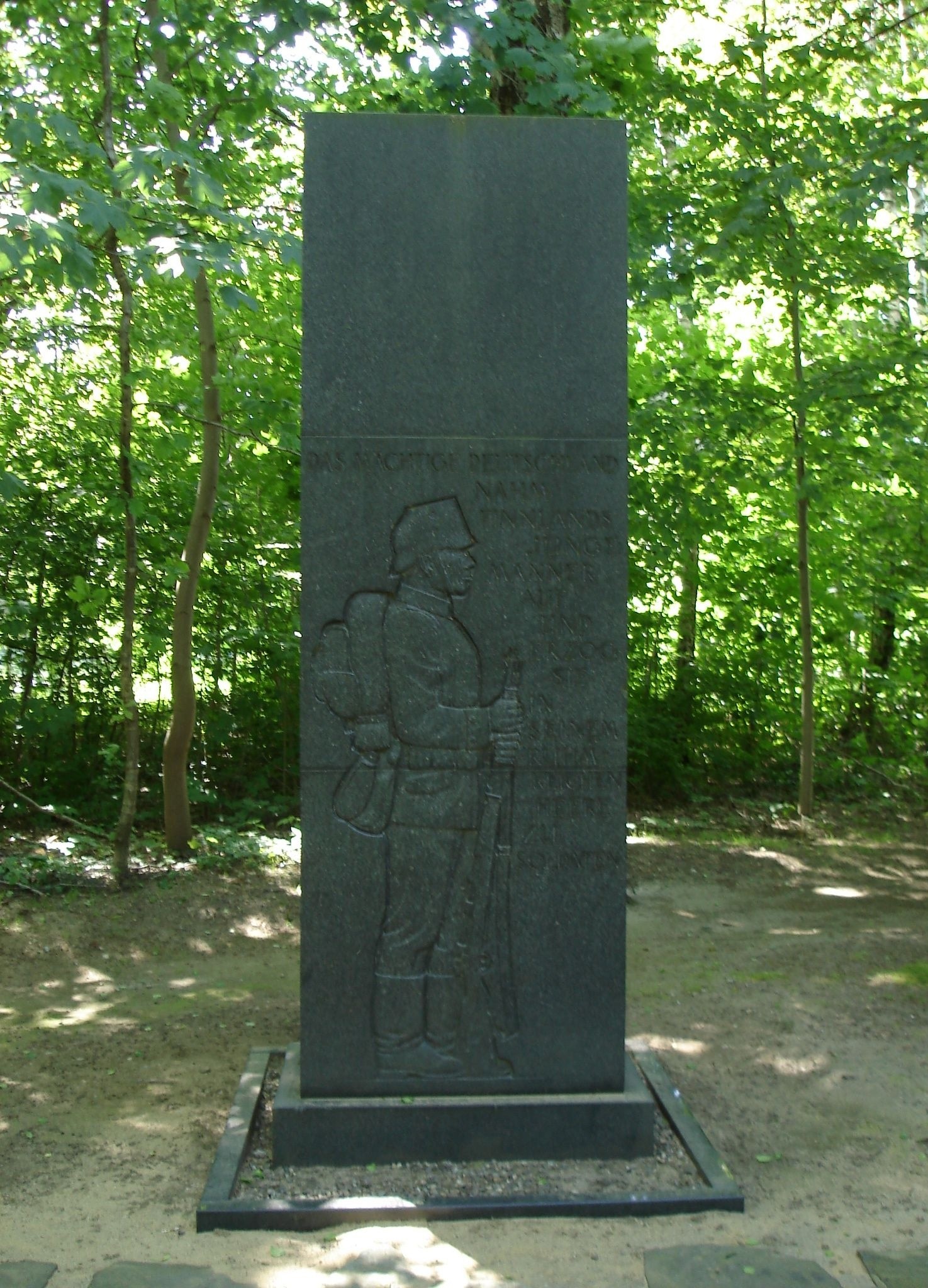
A memorial stone for the Finnish Jägers in Hohenlockstedt in Germany

The movement is still seen in the traditions of the Finnish Army with units being designated as either infantry (Jalkaväki) or Jäger (Jääkäri) with the Jäger units usually being better equipped and often having more specialized training like the mechanized infantry (Panssarijääkäri), airborne (Laskuvarjojääkäri), border guards infantry (Rajajääkäri) etc. Jäger is also being used as the lowest rank of enlisted personnel instead of private in most peacetime infantry units.

The Jäger March composed by Jean Sibelius. It is the honorary march of most Finnish Military units and also the first song to be played at the Independence day reception. Version performed by the Polytechnic Choir from Helsinki University of Technology.